

Finding a reliable glass partner should be simple, yet many procurement managers end up with shattered products and missed deadlines. I have spent over 15 years in our Zibo production facility, and I see the same costly errors repeated every season, draining budgets and damaging hard-earned brand reputations.
Common mistakes when searching for glassware manufacturers include prioritizing the lowest unit price over material quality, failing to verify if a supplier is a genuine factory or a middleman, and neglecting international safety certifications like FDA or LFGB. Importers often overlook critical technical details such as annealing cycles and raw material purity, which leads to high breakage rates and thermal shock issues. To avoid these pitfalls, you must conduct thorough factory audits, request detailed quality control documentation, and ensure your supplier has the engineering capacity to handle custom designs and rigorous stress testing before mass production begins.
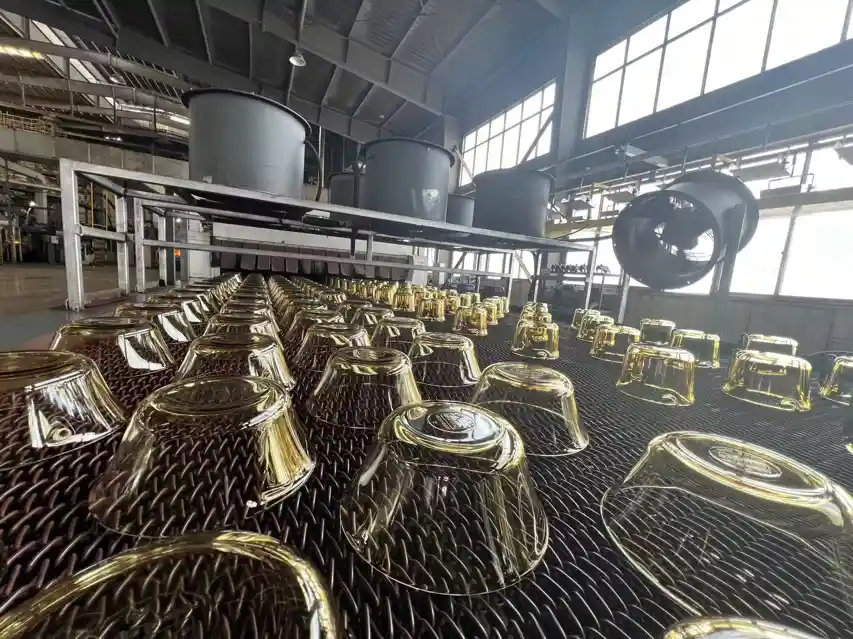
Choosing the wrong partner does more than just hurt your bottom line; it puts your entire supply chain at risk 1{#ref-1}. If you are tired of vague answers and inconsistent quality, it is time to look at what is really happening behind the furnace doors. Read on to discover the red flags you must avoid to secure a safe, healthy, and green future for your brand.
What Are The Red Flags I Should Look For In A New Glass Supplier?
In our 200,000㎡ manufacturing base, we host dozens of factory audits every year, and I always notice which buyers know what to look for. A supplier who avoids technical questions or cannot provide a clear production timeline is usually hiding a lack of control over their own manufacturing process.
Red flags in a glassware supplier include a lack of valid ISO or BSCI certifications, vague responses regarding “annealing” and “stress relief” processes, and an inability to show real-time production photos. If a supplier refuses to discuss their internal defect rates or cannot explain their raw material sourcing, they likely lack the professional rigor needed for high-volume retail. You should also be wary of prices that are significantly lower than the market average, as this usually indicates a compromise on glass thickness, chemical stability, or worker safety standards during the production cycle.
Identifying Communication Gaps
When we talk to new partners, the first thing we emphasize is transparency. If a supplier takes three days to answer a basic question about lead times, imagine how they will react when a production crisis occurs. Professional manufacturers have dedicated project managers who understand the engineering side of glass. They should be able to tell you exactly which furnace your order will run on and what the current “melt” schedule looks like. If they use generic language like “don’t worry, the quality is good,” without providing data, that is a major warning sign.
Documentation and Compliance
Every piece of glass that leaves our warehouse must meet Normas FDA y LFGB 2{#ref-2}. A red flag is a supplier who sends you “expired” certificates or test reports that belong to a different factory. We have seen cases where trading companies “borrow” certifications from real manufacturers. You must verify the factory name on the test report matches the name on the business license. If there is a discrepancy, you are looking at a middleman who might swap materials at the last minute to save costs.
Technical Expertise and Equipment
Our engineers often say that the furnace is the heart of the factory. If a supplier cannot discuss the specific purity of their arena silícea 3{#ref-3} or the percentage of recycled cullet they use, they are not controlling their quality. High-quality vidrio borosilicato 4{#ref-4} requires precise temperature control. A supplier using outdated equipment or manual processes for high-volume orders will inevitably produce items with “seeds” (tiny bubbles) or “stones” (unmelted particles). These are not just aesthetic issues; they are structural weak points that cause the glass to shatter under thermal stress.
Warning Signs Summary Table
| Red Flag | Potential Impact | What to Ask For |
|---|---|---|
| Missing BSCI/ISO Audits | Ethical and quality risks | Recent audit reports (within 12 months) |
| No specific annealing data | Spontaneous breakage | Temperature charts for the lehr (annealing oven) |
| Vague lead times | Missed peak sales seasons | A detailed Gantt chart or production schedule |
| Generic test reports | Legal and safety recalls | FDA/LFGB reports with the factory’s specific name |
How Can I Tell If I Am Dealing With A Trading Company Or A Real Factory?
I have seen many importers pay “factory prices” to a small office in a city far away from any actual glass production. At our Zibo site, we encourage visitors because the heat of the furnace and the sound of the production line cannot be faked by a middleman sitting in a high-rise.
You can distinguish a real factory from a trading company by checking the business license for “manufacturing” vs. “trading” scopes and verifying the physical address on Google Earth. Real factories will have specialized equipment like CNC mold-making machines, continuous melting furnaces, and automated packing lines. Trading companies often have a wide variety of unrelated products, whereas a true manufacturer like PYGLASS focuses on specific glass categories. Furthermore, a real factory can offer “on-the-spot” technical solutions and mold adjustments that a middleman simply cannot provide without consulting a third party.

The Business License Check
The most direct way to verify a supplier is to look at their Business License of Enterprise Legal Person 5{#ref-5}. Look at the “Scope of Business” section. A real factory will include words like “Production,” “Manufacturing,” or “Processing” (生产, 制造, 加工). If you only see “Wholesale” or “Export” (批发, 出口), you are dealing with a trading company. We always tell our clients that a manufacturer is legally responsible for the production environment, while a trader is only responsible for the transaction.
Factory Depth and Specialization
A trading company is like a supermarket; they sell everything from glass bowls to plastic toys. A real manufacturer is a specialist. At our facility, we live and breathe borosilicate glass. We don’t try to manufacture textiles or electronics. If you see a “manufacturer” listing hundreds of products that require completely different production technologies, they are almost certainly sourcing from multiple small workshops. This fragmented supply chain makes quality consistency impossible to maintain over long periods.
Production Capacity and Equipment
When you ask for a video call, ask the supplier to walk through the “Cold End” and “Hot End” of the production line. A trading company will often hesitate or show you a very clean, quiet showroom. A real factory is loud, hot, and busy. You should see workers performing “in-line” inspections and massive annealing cycles 6{#ref-6} that are 50 meters long. These machines require millions of dollars in investment. Trading companies do not own this equipment; they simply rent time on someone else’s production line, which means your order will always be a lower priority than the factory’s direct clients.
Manufacturer vs. Trading Company Comparison
| Característica | Real Manufacturer (e.g., PYGLASS) | Trading Company / Middleman |
|---|---|---|
| Product Focus | Deep expertise in specific glass types | Broad range of unrelated items |
| Price Structure | Direct cost + overhead + small margin | Factory price + hidden commission |
| Technical Support | Direct access to engineers and mold designers | Must wait for the factory to reply |
| Personalización | Full control over mold and design changes | Limited to what their partner factory offers |
| QC Control | In-house team monitoring 24/7 | Random “final inspections” only |
Why Do Glassware Price Quotes Vary So Much Between Different Manufacturers?
People often ask me why our quotes are different from a small workshop down the road. In the glass world, you are not just buying a container; you are buying the stability of the material and the reliability of the seal, which involves costs that aren’t visible at first glance.
Glassware price quotes vary because of the quality of raw materials, the precision of the mold, and the length of the annealing process. High-borosilicate glass is more expensive than soda-lime glass because it requires higher melting temperatures and specialized minerals. Additionally, factories that invest in international audits, automated quality control, and premium packaging to prevent breakage must include these costs in their unit price. A cheaper quote often means the manufacturer is skipping the “stress-relief” phase or using lower-grade silica, which increases the risk of the glass shattering in a consumer’s kitchen.
Not all glass is created equal. To produce the clear, heat-resistant glass PYGLASS is known for, we use high-purity silica sand. Lower-cost manufacturers often use sand with higher iron content, which gives the glass a greenish tint and reduces its resistencia al choque térmico 7{#ref-7}. Furthermore, the “Boro” in borosilicate comes from boron trioxide. Some factories reduce the boron content to save money, resulting in a product that looks like borosilicate but behaves like cheap soda-lime glass. This is a massive safety risk for bakeware that goes into a hot oven.
The Annealing and QC Process
Annealing is the process of slowly cooling glass to relieve internal stresses. It is the most common place for “budget” factories to cut corners. A proper annealing cycle takes hours. If a factory speeds up the conveyor belt to produce more units, the glass will have “frozen” internal tension. It might look perfect on the shelf, but it will explode the first time it is washed in a dishwasher or put in a microwave. We invest heavily in automated stress-testing equipment to ensure every batch is stable. This adds a few cents to the price but saves thousands of dollars in potential recalls and lawsuits.
Mold Precision and Finishing
A high-quality mold made from premium steel can cost five times more than a basic cast-iron mold. Premium molds produce glass with smooth seams, consistent wall thickness, and perfectly flat bottoms. Cheap molds leave sharp “flash” lines and uneven weight distribution. For a purchasing manager like Jacky, uneven glass thickness is a nightmare because it leads to uneven heating and breakage. When you see a higher price, you are often paying for the “tooling” that ensures every single piece in a 50,000-unit order is identical to the approved sample.
Why Prices Differ: A Technical Breakdown
| Cost Factor | High-End Manufacturer (PYGLASS) | Low-Cost Workshop |
|---|---|---|
| Silica Purity | 99% high-purity sand (crystal clear) | Standard industrial sand (greenish tint) |
| Boron Content | 13% (high thermal resistance) | 5-8% (poor heat performance) |
| Annealing Time | Full 4-6 hour cycle | Rapid cooling (1-2 hours) |
| Wall Thickness | Consistent (e.g., 3.5mm ± 0.2mm) | High variance (2.0mm to 4.0mm) |
| Embalaje | Drop-test certified (5-layer corrugated) | Basic 3-layer box (high breakage) |
What Verification Steps Do I Often Miss When Vetting Chinese Glass Factories?
Our team has seen many professional buyers overlook the “details” that actually determine the success of a product launch. Vetting a factory isn’t just about looking at a piece of paper; it’s about understanding the logistics and the legal protection of your designs.
Importers often miss critical verification steps such as checking the ownership of custom molds, auditing the raw material supply chain, and performing a “drop test” on the final shipping packaging. It is essential to confirm that the factory actually owns the mold you are paying for, otherwise, they may sell your proprietary design to competitors. You must also verify their internal “rework” policy; factories that simply “melt down” defective glass without checking for contaminants can introduce impurities into the next batch. Finally, always ask for a “load test” report to ensure the glass can handle the weight of stacked food containers during long-term storage.

Mold Ownership and IP Protection
One of the biggest mistakes I see is a lack of a “Mold Ownership Agreement.” When you pay for a custom tool at our factory, it belongs to you. However, some suppliers will use your mold to fulfill orders for other customers during the “off-season” to keep their machines running. You must verify that your contract explicitly forbids this. Furthermore, check if the factory has an in-house mold maintenance team. Molds wear out over time; if the factory doesn’t have a schedule for cleaning and polishing your molds, the quality of your product will decline after the first 10,000 units.
The “Batch Consistency” Audit
A sample is just a piece of glass, but a mass-production run is a logistical challenge. Many buyers fail to ask about raw material consistency. Does the factory buy sand from the same quarry every month? Do they test every shipment of boron? If they don’t, your first order might be perfect, but your second order might be brittle or cloudy. At PYGLASS, we treat raw material sourcing like a science. We keep records of every batch because we know that consistency is what builds trust with retailers like Walmart and Costco.
Packaging and Logistics Reality
Glass is fragile, but the biggest cause of breakage isn’t the glass itself—it’s the packaging. Many importers forget to verify the “ECT” (Edge Crush Test) rating of the cartons. We always recommend a 5-layer double-wall corrugated box for international shipping. You should also ask for a photo of how the pallets are “shrink-wrapped” and “corner-protected.” If the factory skips the corner protectors, the bottom boxes will collapse under the weight of the pallet during the 30-day ocean voyage to Canada or Europe. Checking these “boring” details is what separates a successful procurement manager from one who spends their weekend handling customer complaints about shattered products.
Final Vetting Checklist for Purchasing Managers
- Verify Mold Status: Does the factory have a dedicated, locked storage area for client-owned molds?
- Check the “Lehr” Capacity: Can their annealing ovens handle the volume of your order without rushing the cooling process?
- Packaging Specs: Are they using 150lb or 200lb test cardboard? Is there a divider between every single glass piece?
- Sub-Supplier Transparency: Who makes their silicone seals and plastic lids? These must also be FDA/LFGB compliant.
- Third-Party Inspection: Does the factory allow AQL 2.5/4.0 inspections 8{#ref-8} by companies like SGS or Intertek 9{#ref-9} without prior notice?
Conclusión
Finding the right glassware partner requires looking past the lowest price and focusing on the technical reality of the furnace. By avoiding red flags, distinguishing factories from traders, understanding price drivers, and performing deep due diligence 10{#ref-10}, you can ensure your brand remains “Safer, Healthier, and Greener.” At PYGLASS, we believe that transparency is the foundation of every successful meal and storage experience. Do not let a simple procurement mistake shatter your reputation. Choose a partner that values precision and responsibility as much as you do.
Notas a pie de página
1. Professional insights into managing risk factors within complex global manufacturing supply chains. ↩︎
2. Detailed breakdown of safety standards for glass products intended for food contact applications. ↩︎
3. Understanding the importance of silica sand purity for the clarity and strength of industrial glassware. ↩︎
4. Scientific profile of borosilicate glass, known for its superior durability and chemical resistance. ↩︎
5. A practical guide for international buyers to verify the authenticity of Chinese business licenses. ↩︎
6. Explanation of how the glass annealing cycle works to prevent spontaneous breakage. ↩︎
7. Technical discussion on why certain glass types withstand extreme temperature fluctuations better than others. ↩︎
8. Standardized sampling procedures for quality control inspections in large-scale manufacturing. ↩︎
9. Overview of globally recognized third-party agencies for factory auditing and product certification. ↩︎
10. The essential components of conducting thorough due diligence when selecting a manufacturing partner. ↩︎
 ES
ES  EN
EN  PT
PT  FR
FR  CS
CS  RU
RU  DE
DE  ES_AR
ES_AR  AR
AR  JA
JA