

When we walk through our injection molding department, the sound of rhythmic clicking isn’t just background noise—it is the sound of our “Lid Torture Chamber” in action. As one of the leading glassware manufacturers, we have seen that a perfect borosilicate base is useless if the lid clips snap after just three months of use. For a purchasing manager, lid failure is the number one driver of customer returns and brand erosion. We believe that understanding the molecular science behind the “click” is the only way to ensure your bulk order survives the rigors of a real-world kitchen.
Lid clips typically fail due to material fatigue at the “living hinge,” often caused by poor polymer selection, hidden weld lines from low-quality molds, or excessive tension from oversized silicone gaskets. To ensure long-term durability, buyers should demand clips made from high-grade Polypropylene (PP) or Tritan that have passed a minimum of 3,000 to 5,000 cycles in a mechanical flex test, simulating years of daily opening and closing without structural deformation.
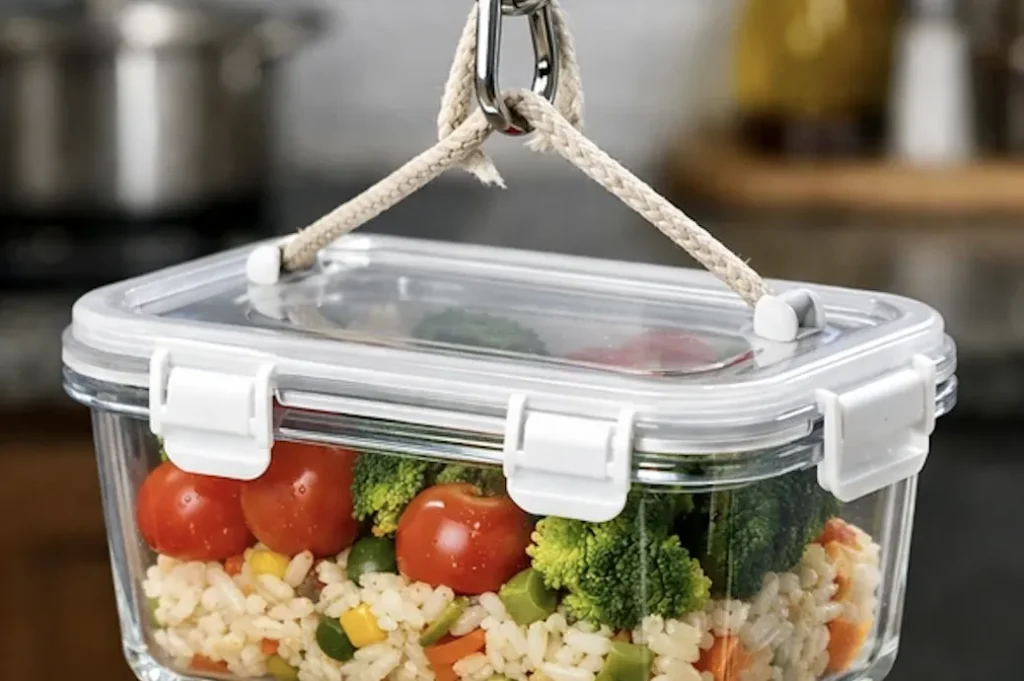
A snapping lid clip is rarely an accident; it is almost always a predictable engineering failure. If the hinge geometry is too sharp or the plastic contains too much recycled content 1{#ref-1} material, the product is a ticking time bomb for your reputation. However, by asking the right technical questions during the sourcing phase, you can separate high-performance china glassware manufacturers from those who cut corners on plastic quality. Let’s dive into the specific testing and material standards that define a “lifetime” lid.
How to Test Lid Locking Mechanism Life Cycle Before Bulk Ordering?
In our quality control lab, we never trust a “manual feel” for durability. Our engineers have found that a clip might feel sturdy on the first ten clicks but fail at click number five hundred because of internal polymer chain fractures. To protect your investment, you must move beyond subjective testing and look at the quantified Fatigue Life 2{#ref-2} of the locking mechanism.
The most reliable way to test lid locking mechanisms is through a Cyclic Flex Test (similar to ASTM D7791 standards), where a mechanical arm opens and closes the clip at a controlled speed for 3,000 to 10,000 cycles. A “pass” grade requires that the clip maintains its original clamping force, shows no “whitening” at the hinge point, and remains free of micro-cracks even after being subjected to a Force-to-Fail pull test.
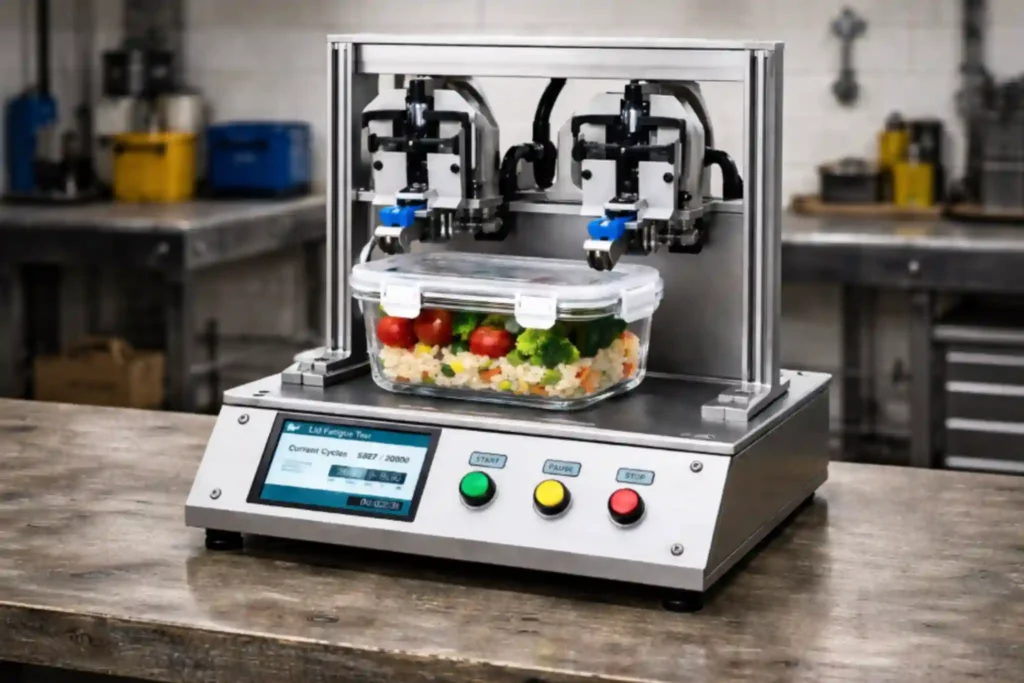
The Science of “Molecular Memory”
When we design a lid, we are essentially creating a living hinge 3{#ref-3}. This is a thin section of plastic that must bend without breaking. For a buyer like Jacky, the key is ensuring the plastic has high “molecular memory”—the ability to return to its original shape after stress. If a clip stays bent outwards after being opened, it has reached its “yield point,” and an airtight seal is no longer possible.
Lid Durability Benchmarks
| Testing Metric | Standard Requirement | Why it Matters |
|---|---|---|
| Cyclic Flex Count | 3,000 – 5,000 Cycles | Simulates 3-5 years of typical household use. |
| Pull-Off Force | 15N – 25N | Ensures the clip stays locked during a drop but is easy to open. |
| Whitening Check | Zero visible stress marks | Whitening indicates the polymer chains are snapping. |
| Temperature Cycling | -20°C to +100°C | Ensures the hinge doesn’t become brittle in the freezer. |
The “Force-to-Fail” Verification
Before you sign off on a bulk order, we recommend requesting a “Force-to-Fail” report. This involves pulling the clip beyond its normal range until it physically snaps. If the break is clean and requires high force, the material is healthy. If it shatters or snaps at a low force, it likely contains excessive regrind material. Furthermore, professional china glassware manufacturers should perform these tests after Thermal Shock 4{#ref-4} cycles. A clip that works at room temperature might snap like a cracker after being taken out of a -20°C freezer. Always insist on “Extreme Environment” fatigue runs to simulate real-world usage in Canadian or European winters.
Choosing the Right Plastic Materials to Prevent Lid Clip Snapping?
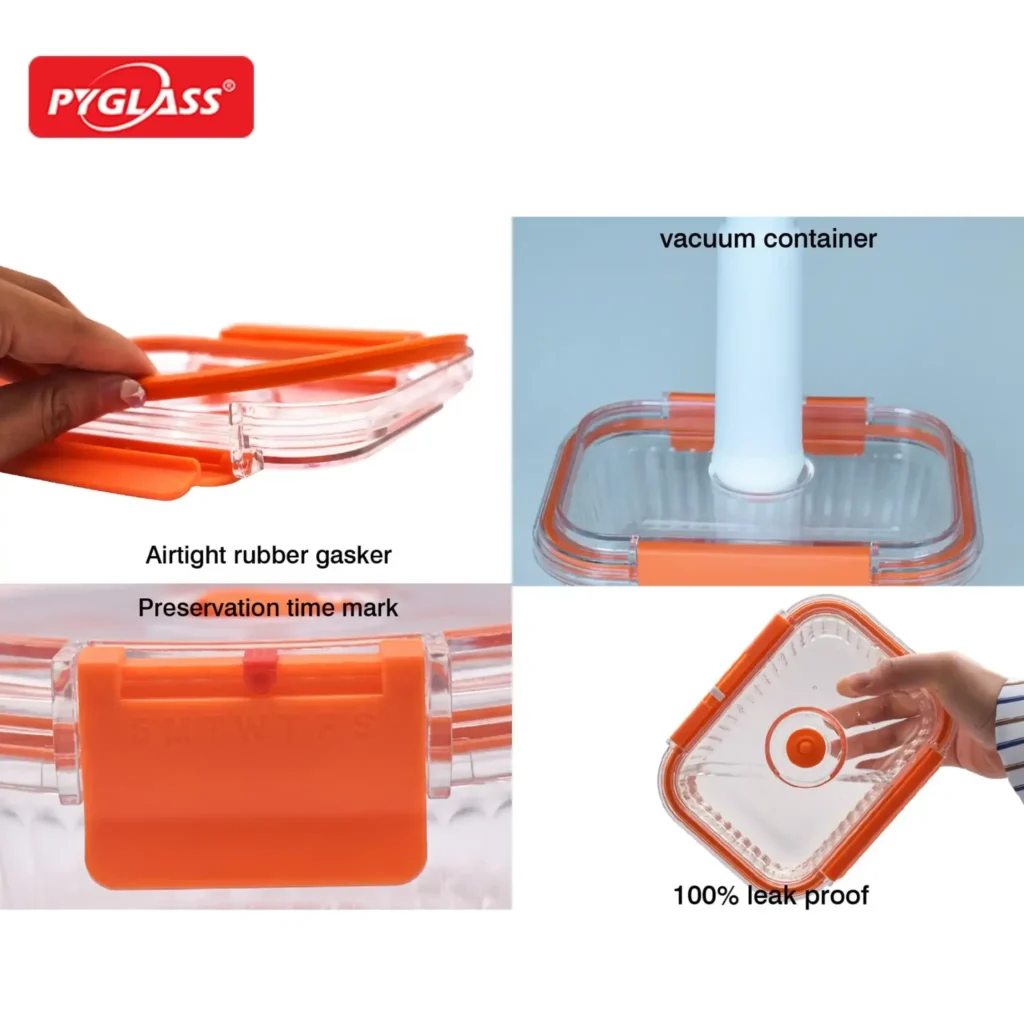
At our production facility, we often have to explain that not all Polypropylene is created equal. While PP is the industry standard for its flexibility, the grade of the resin determines whether the clip will last five years or five weeks. We have found that the most resilient lids utilize a specific balance of impact modifiers 5{#ref-5} to prevent the plastic from becoming brittle over time.
For premium durability, Polypropylene (PP) with virgin resins or advanced polymers like Tritan are the best choices. Tritan offers superior clarity and fatigue resistance, while high-grade PP is more cost-effective and flexible. To prevent snapping, ensure the material is free from “fillers” and has a high Melt Flow Index (MFI) that allows for a seamless, strong hinge during the injection molding process.
PP vs. Tritan: A Buyer’s Comparison
Choosing the right material is a balance of price and performance. As experienced glassware manufacturers, we help our clients choose based on their target market’s price point and durability expectations.
Material Performance Table
| Material Property | Standard PP (Budget) | High-Grade PP (Premium) | Tritan (Luxury/Pro) |
|---|---|---|---|
| Fatigue Resistance | Moderate | High | Exceptional |
| Clarity | Translucent | Clear | Glass-like |
| BPA/BPS Free | Yes | Yes | Yes |
| Dishwasher Safety | 50+ Cycles | 200+ Cycles | 500+ Cycles |
| Stress Whitening | Common | Rare | None |
Avoiding Environmental Stress Cracking (ESC)
One of the “silent killers” of lid clips is Environmental Stress Cracking 6{#ref-6}. Lids are exposed to fats, oils, and harsh dishwasher detergents. These chemicals can penetrate the surface of low-grade plastics, weakening the molecular bonds. When the user then applies mechanical force to close the clip, the added chemical stress causes an immediate snap. We recommend requesting materials that are “ESC-Resistant.” Additionally, we advise our buyers to look for “Filleted” hinge designs. A sharp 90-degree angle at the flex point concentrates 100% of the stress in one line. A rounded or filleted transition redistributes that force across a larger surface area, effectively doubling the fatigue life of the lid without adding a single cent to the material cost.
How to Verify Whether Manufacturers Perform Standard Lid Fatigue Tests?
In the world of china glassware manufacturers, “trust” is good, but “test reports” are better. When we audit our own production lines, we look for consistency. If a manufacturer cannot show you a dedicated testing jig or a logbook of fatigue results, they are likely just “visual checking,” which is a recipe for disaster when the goods reach your warehouse.
To verify a manufacturer’s testing standards, you should request a Third-Party Lab Report (such as SGS, Intertek, or TUV) specifically covering ASTM D7791 flex fatigue or ISO 178 flexural properties. Furthermore, ask for a video of their internal lab performing a “Live Fatigue Run” on your specific lid design to ensure they have the machinery required to simulate thousands of cycles under varied temperature conditions.
Red Flags in Manufacturer Documentation
When you are vetting a supplier, pay close attention to the details of their Quality Management System 7{#ref-7} manual. A professional factory will treat the lid with as much respect as the glass. If their “QC Report” only focuses on the glass dimensions and ignores the lid tension, you should be concerned.
Verification Checklist for Buyers
| Verification Step | What to Look For | Red Flag |
|---|---|---|
| Equipment Audit | Automated pneumatic flex testers. | Manual “hand-bending” by workers. |
| Reporting Frequency | One report per mold cavity, per batch. | One generic report from three years ago. |
| Standard References | ASTM D7791 or internal 5,000-cycle logs. | No specific standard mentioned. |
| Sample Retention | Kept for 12 months for post-sale tracking. | No batch samples kept after shipping. |
The “Creep” Phenomenon Test
Beyond sudden snaps, you need to verify if the manufacturer tests for Material Creep 8{#ref-8}. This is where a clip stays in a locked position for months and slowly deforms, losing its ability to create an airtight seal. High-quality glassware manufacturers perform “Long-term Tension Tests,” where lids are kept locked in a high-temperature incubator (simulating an 80°C dishwasher or hot kitchen) for 72 hours. If the clip doesn’t “creep” or lose more than 5% of its clamping force, it is safe for long-term storage. By demanding these specific data points, you signal to the factory that you are a knowledgeable buyer who will not accept sub-standard plastic components.
Mold Quality Issues That Cause Early Lid Clip Failure?
Our mold engineers often say that “the clip is born in the mold.” Even if you use the best Tritan or PP, a poorly designed mold will create a “pre-set” snap point. We have seen many buyers struggle with consistent quality because they chose a supplier using “soft-steel” molds or aging machinery that cannot maintain the high Injection Pressure 9{#ref-9} needed for thin-walled hinges.
Early lid clip failure is frequently caused by “weld lines” or “cold joints” located directly on the hinge flex point. This occurs when molten plastic from two different gates meets and fails to fuse perfectly at a molecular level. High-quality molds use strategic gate placement and high injection speeds to ensure the hinge area is a single, continuous polymer flow, eliminating the weak points where 90% of clips eventually snap.
Precision Engineering at the Hinge
A lid clip hinge is often only 0.4mm to 0.8mm thick. At this scale, even a tiny misalignment in the mold halves can create a “thin spot” that will fail within a few dozen uses. As leading china glassware manufacturers, we invest in high-precision CNC machining 10{#ref-10} for our lid molds to ensure every cavity is identical.
Mold Quality vs. Clip Durability
| Mold Feature | Impact on Clip | Buyer’s Benefit |
|---|---|---|
| Gate Placement | Prevents weld lines on the hinge. | Hinge becomes a solid, unbreakable bond. |
| Beryllium Copper Inserts | Fast, even cooling in the hinge area. | Prevents “warping” that ruins the airtight seal. |
| High-Polish Finish | Reduces surface micro-scratches. | Eliminates “stress risers” where cracks start. |
| Hardened Steel (S136) | Maintains precision for 500,000+ shots. | Ensures the 1,000th lid is as strong as the 1st. |
The Gasket-Tension Trap
One “hidden” mold issue involves the relationship between the clip and the silicone gasket. If the lid mold isn’t perfectly calibrated to the gasket’s “compression set,” the clip will require excessive force to snap shut. When the user has to push with 40N of force to close a clip designed for 20N, they are exceeding the plastic’s “Yield Strength.” Every time they close the lid, they are slightly over-stretching the molecules. This leads to “Premature Fatigue.” At our factory, we perform a “Gasket Compatibility Test” for every new mold. We ensure the clip provides a satisfying “click” with just enough tension to compress the silicone by 25-30%—the “sweet spot” for an airtight seal that doesn’t stress the plastic hinge.
Conclusion
Lid durability is the silent foundation of a successful glassware brand. By understanding that clip failure is a combination of material science, mechanical fatigue testing, and mold precision, you can eliminate 90% of your quality complaints before the goods even leave the factory. Always prioritize high-grade PP or Tritan, demand a 3,000-cycle flex report, and ensure your supplier avoids weld lines at the hinge. As professional glassware manufacturers, we believe that a lid should be as “everlasting” as the borosilicate glass it protects.
Would you like me to review your current lid design or technical specifications to identify potential fatigue weak points before your next order?
Footnotes
1. Basics of plastic recycling and the impact of regrind material on structural integrity. ↩︎
2. Engineering principles of fatigue life in polymers under repeated cyclic stress. ↩︎
3. Designing living hinges for maximum flexibility and longevity in plastic parts. ↩︎
4. How thermal shock resistance determines material performance in extreme temperature fluctuations. ↩︎
5. Role of impact modifiers in enhancing the toughness and brittle resistance of plastics. ↩︎
6. Guide to understanding Environmental Stress Cracking and its causes in thermoplastic components. ↩︎
7. Official ISO 9001 standards for ensuring consistent quality management in manufacturing. ↩︎
8. Scientific definition of material creep and its long-term effects on polymer deformation. ↩︎
9. Impact of injection pressure settings on the density and strength of molded hinges. ↩︎
10. Benefits of CNC machining for creating high-precision molds with consistent tolerances. ↩︎
 EN
EN  ES
ES  PT
PT  FR
FR  CS
CS  RU
RU  DE
DE  ES_AR
ES_AR  AR
AR  JA
JA