
Are you feeling the pressure of rising plastic taxes and a shifting market that demands sustainability? Your customers are increasingly viewing plastic as a sign of a “cheap” product, while your competitors are already pivoting toward eco-friendly alternatives to capture the high-end retail market.
Transitioning from plastic to high-quality glass significantly boosts your brand premium by signaling luxury, safety, and environmental responsibility. Research shows that ESG-claimed products grow 18% faster than market expectations, and glass—being infinitely recyclable and BPA-free—is the ultimate material for circular economy compliance and premium market positioning.

Choosing the right materials for your product line is no longer just a cost calculation; it is a strategic branding decision. If you keep sticking to plastic, you are fighting a losing battle against regulations and changing consumer psychology. Let’s look at why 2026 is the year to make the switch.
What are the cost implications of moving from plastic to recyclable glass?
Our production lines have seen a massive shift lately as more procurement managers realize that the “higher cost” of glass is actually a long-term investment. We track every cent of the manufacturing process, and while the upfront unit price of vidro borossilicato 1{#ref-1} is higher than PET or PP plastic, the total cost of ownership tells a different story.
Switching to glass involves higher initial material and shipping costs due to weight, but these are offset by reduced regulatory taxes, higher retail price points, and lower return rates. By leveraging glass containers wholesale, brands can achieve economies of scale that bridge the price gap while fulfilling ESG requirements.
When we analyze the financial impact at our 200,000㎡ manufacturing base, we look at the entire lifecycle of the product. Many of our partners in North America and Europe are facing new Plastic Taxes 2{#ref-2} e Extended Producer Responsibility 3{#ref-3} (EPR) fees. These regulations make plastic increasingly expensive to put on the shelf. Glass, being a natural and recyclable material, often avoids these specific penalties, making it a more stable choice for long-term supply chain planning.
Furthermore, the durability of high-borosilicate glass means fewer complaints about warping, staining, or lingering odors—issues that plague plastic containers and lead to high return rates in retail. When you work with professional glassware manufacturers China 4{#ref-4}, you gain access to advanced tempering and annealing processes that reduce breakage during transit, further protecting your margins.
Break-even Analysis for Glass vs. Plastic Transition
To help you visualize the shift, our finance team compiled a comparison based on a standard 1,000ml food storage container.
| Cost/Value Factor | Plastic (PP/PET) | Vidro borosilicato | Brand Impact |
|---|---|---|---|
| Initial Unit Cost | Low ($0.50 – $1.20) | Mid-High ($1.80 – $3.50) | Higher perceived quality |
| Regulatory Taxes | High (Rising Plastic Taxes) | Low to Zero | Compliance-ready |
| Shipping & Logistics | Lightweight, Low Cost | Heavier, Fragile (Needs Protection) | Professional unboxing feel |
| Retail Markup | 2x – 3x | 4x – 6x | Significant Margin Increase |
| Shelf Life/Durability | 6-12 Months (Stains/Odors) | Mais de 5 anos | Long-term brand trust |
By focusing on the retail markup, our clients often find that they can charge a 40% to 60% premium for glass sets over plastic ones. This extra revenue doesn’t just cover the higher manufacturing cost; it expands the overall profit pool for the brand.
Optimizing Logistics for Glass
We know that weight and fragility are your biggest concerns. Our logistics team specializes in “drop-test” certified packaging. By using honeycomb cardboard and optimized pallet stacking, we have helped retailers reduce breakage rates to under 0.5%. When you source recipientes de vidro para armazenamento de alimentos no atacado 5{#ref-5}, you aren’t just buying the glass; you are buying the engineering that ensures it reaches your warehouse safely.
How can I market the sustainability benefits of glass to my eco-conscious customers?
At our factory, we don’t just melt sand; we build stories for your marketing team to tell. We have seen firsthand how the “unboxing experience” of a heavy, crystal-clear glass bowl creates a psychological connection that plastic simply cannot match. This “sensory weight” is a powerful tool you can use to justify your premium pricing to the end consumer.
Market glass as a “forever material” that is safe for the family and kind to the planet. Highlight its 100% recyclability, BPA-free nature, and the fact that it doesn’t leach chemicals into food. Use these physical attributes to build a brand narrative centered on health, luxury, and environmental stewardship.
Modern consumers, especially Gen Z and Millennials, are looking for “measurable” sustainability. You can market our products by focusing on the Circular Economy 6{#ref-6} aspect. Unlike plastic, which degrades in quality every time it is recycled (and eventually ends up in a landfill), glass can be recycled infinitely without losing its purity. This allows you to position your brand as a leader in the “Zero Waste” movement.
Our design team often works with brands to create “secondary life” features. For example, a glass storage jar isn’t just for leftovers; its aesthetic design makes it a beautiful countertop organizer or a DIY herb planter once the original product is used. This keeps your brand visible in the customer’s home for years, creating a level of brand loyalty that “disposable” plastic containers never could.
Key Marketing Claims for Glassware
When drafting your product descriptions or social media campaigns, use these high-impact claims that we have verified through international standards:
- Chemical Purity: 100% BPA, Phthalate, and Lead-free—certified by FDA e LFGB 7{#ref-7}.
- Resistência a choques térmicos: From freezer to oven (-20°C to 400°C) without cracking.
- Circular Economy: 100% recyclable material that reduces ocean plastic waste.
- Superfície não porosa: Won’t absorb food odors or bacteria, ensuring every meal is as healthy as the first.
Consumer Perception Data
Understanding the “Why” behind the buy is crucial for your marketing strategy. We’ve gathered data from our retail partners across North America to see what drives the final purchase 8{#ref-8}.
| Consumer Priority | Plastic Perception | Glass Perception | Marketing Opportunity |
|---|---|---|---|
| Segurança | High concern (Chemical leaching) | High trust (Natural material) | Focus on “Food Grade Safe” |
| Aesthetics | Utility/Cheap | Premium/Luxury | Focus on “Kitchen Decor” |
| Environment | Pollutant/Waste | Eco-friendly/Recyclable | Focus on “Sustainability” |
| Value for Money | Disposable/Temporary | Investment/Durable | Focus on “Lifetime Use” |
By using this data, your marketing team can move away from “price-based” selling and move toward “value-based” selling. You are no longer selling a container; you are selling a healthier lifestyle and a cleaner planet.
Does the factory offer post-consumer recycled (PCR) glass options?
Our engineers are constantly pushing the boundaries of what is possible in sustainable manufacturing. We understand that in 2026, “recyclable” is no longer enough; many of your retail partners, like Walmart or Costco, are starting to ask for “recycled content.” This is where the industry is heading, and we are ready to help you navigate it.
Yes, we offer solutions that incorporate high percentages of cullet (recycled glass) into the production process to meet PCR requirements. Using recycled glass lowers the melting temperature in our furnaces, which reduces carbon emissions and helps your brand meet Scope 3 sustainability targets.
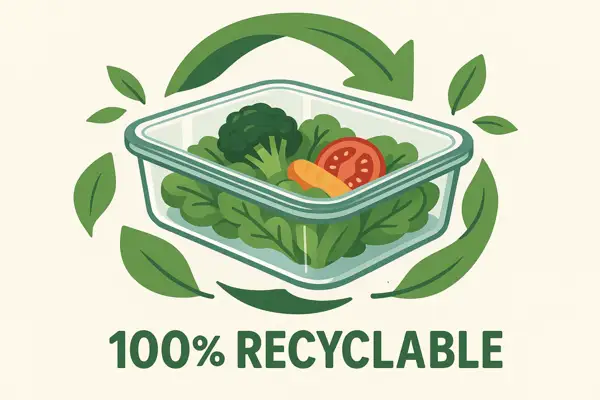
In the world of glassware manufacturers, the use of “cullet” (crushed recycled glass) is the gold standard for sustainability. At PYGLASS, we integrate recycled glass into our production lines whenever the client’s specifications allow it. Not only does this fulfill the “recycled content” quotas that many governments are now mandating, but it also significantly reduces the energy footprint 9{#ref-9} of the manufacturing process.
Because recycled glass melts at a lower temperature than raw sand and soda ash, our carbon emissions per unit decrease. We can provide you with the data needed for your ESG reports 10{#ref-10}, helping you prove to your stakeholders that your supply chain is actively decarbonizing. This is a massive competitive advantage when bidding for contracts with large multinational retailers who are under pressure to report their “Scope 3” emissions.
The PCR Glass Production Process
Implementing PCR glass requires a high level of technical expertise to ensure the final product remains clear and strong. Here is how we manage the process:
- Sourcing Pure Cullet: We use high-quality, pre-sorted glass to ensure no contaminants enter the melt.
- Controlled Melting: Our AI-monitored furnaces adjust the temperature to optimize for the recycled content ratio.
- Strength Testing: Every batch of PCR glass undergoes the same rigorous thermal shock and impact testing as our virgin borosilicate glass.
- Certification: We provide the necessary documentation to prove the percentage of recycled material used.
Comparing Virgin Glass vs. PCR-Enhanced Glass
Many buyers worry that recycled glass looks “dirty” or “green.” However, with modern technology, we can maintain high clarity.
| Recurso | Virgin Borosilicate Glass | PCR-Enhanced Glass |
|---|---|---|
| Clareza | Ultra-clear, Diamond shine | High clarity (95% similar) |
| Carbon Footprint | Padrão | Reduced (approx. 10-15% lower) |
| Regulatory Status | FDA/LFGB Compliant | FDA/LFGB Compliant + PCR Credit |
| Ideal para | High-end giftware | Eco-conscious retail lines |
Choosing a PCR-enhanced line allows you to put a “Made with X% Recycled Glass” sticker on your packaging—a powerful motivator for the modern eco-conscious buyer. As a leading player among glassware manufacturers China, we provide the transparency and certification you need to make these claims with total confidence.
Conclusão
Switching from plastic to glass is the most effective way to future-proof your brand in a market that values health and sustainability. By partnering with PYGLASS, you gain more than just a supplier; you gain a manufacturing partner that understands your need for premium quality, international compliance (FDA, LFGB), and innovative design. Whether you are looking for glass containers wholesale or customized bakeware, our 15 years of expertise ensures your brand stands out as safer, healthier, and greener. Let’s build a more sustainable and profitable future together.
Notas de rodapé
1. Technical properties of borosilicate glass and its thermal resistance advantages. ↩︎
2. Overview of EU plastic packaging taxes and environmental levies. ↩︎
3. Understanding the EPR policy framework for producer waste management. ↩︎
4. Resource for finding leading glassware manufacturing partners in the China region. ↩︎
5. Catalog of high-quality glass food storage solutions available for bulk purchase. ↩︎
6. Introduction to circular economy principles for sustainable product lifecycles. ↩︎
7. Global safety standards for materials that come into contact with food. ↩︎
8. Market research on how ESG claims influence consumer purchasing behavior. ↩︎
9. Environmental impact and energy savings associated with glass recycling. ↩︎
10. Guide to transparent ESG reporting for corporate sustainability performance. ↩︎
 PT
PT  EN
EN  ES
ES  FR
FR  CS
CS  RU
RU  DE
DE  ES_AR
ES_AR  AR
AR  JA
JA